The phone rings late, and on the other end a sis clarifies her bro has been reserved, bail is evaluated an amount the family members can not cover, and arraignment is days away. I have taken variations of that require years. The information vary, however the underlying issue is the same. Bail is a gatekeeper to freedom while a case moves via the courts, and for lots of accuseds, a bondsman is the practical course with that gateway. Understanding what a bail bondsman in fact does, exactly how the financial resources work, and where the risks conceal can conserve cash, time, and needless stress.
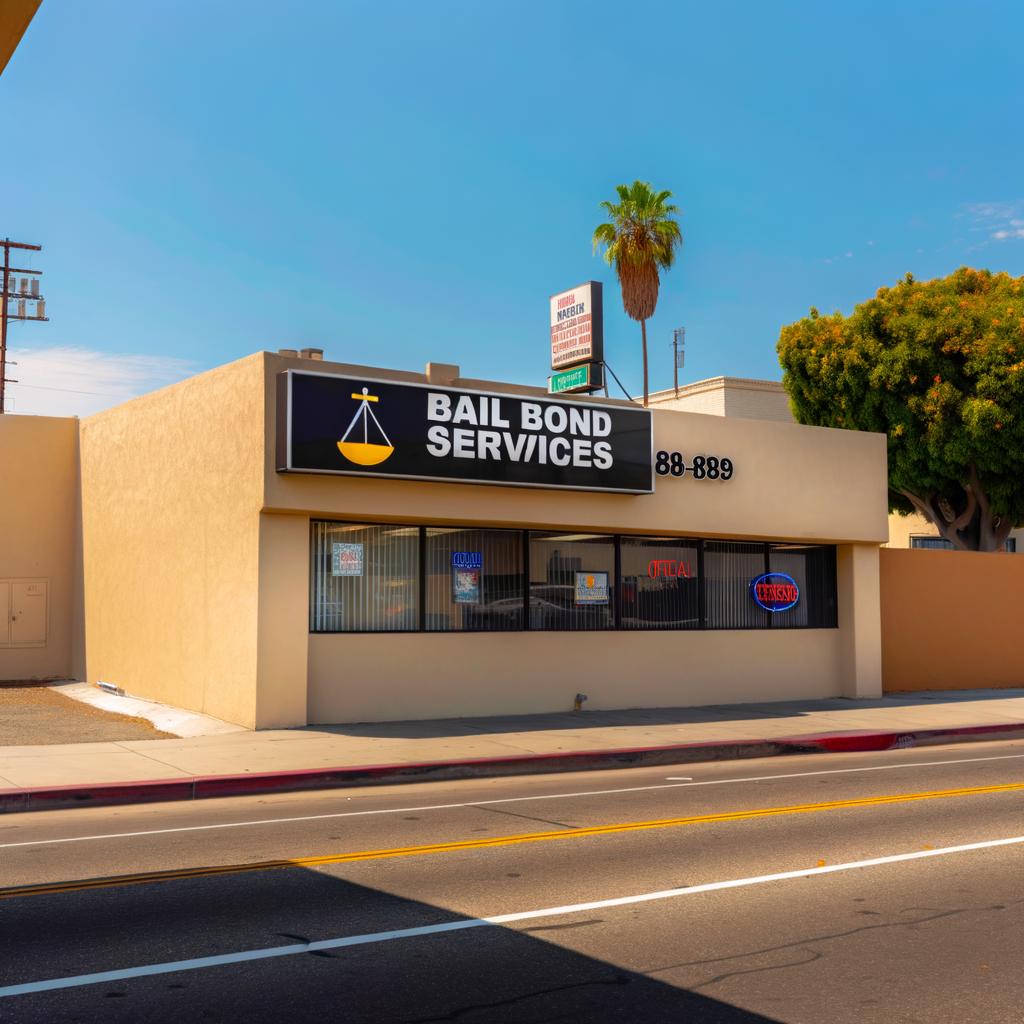
What bond is indicated to accomplish
Bail is not penalty. It exists to ensure an offender go back to court and to shield the procedure from disruption while maintaining the assumption of virtue. Judges established bond based upon a number of factors, not just the charged crime. The nature of the claimed criminal activity matters, as do prior failures to appear, ties to the neighborhood, work, and sometimes the security of housing or family members support. In some jurisdictions, risk analysis tools and neighborhood timetables influence the dollar number, however the judge has discretion.
Cash bail, when required, can be totally published by the offender or a sustaining celebration. If the accused makes all required looks and abides by conditions, that cash is returned at the end of the case, minus court fees or fines. When the amount is past reach, a business guaranty bond through a qualified bondsman ends up being the choice. This is where individuals usually misinterpret the economics and the commitments attached.
The core feature of a bond bondsman
A bondsman concerns a surety bond to the court guaranteeing the complete bond quantity in behalf of an accused. In exchange, the client pays a nonrefundable cost, often called the costs. The bondsman is backed by an insurance provider that finances these threats. If the offender falls short to appear and the court forfeits the bond, the bondsman and guaranty are accountable for the complete bond, unless they can return the offender to guardianship within a time window set by law.
The worth the bondsman offers is uncomplicated. They convert a big, short-term responsibility into a smaller, fixed price, which permits the defendant to be launched and prepare a defense without sitting in prison. The tradeoff is the fee, which is not returned, even when the instance settles favorably.
In method, a great bail bondsman does more than file a bond. They verify details, evaluate trip threat, interact with the court, and usually remind customers of dates and problems. When I have helped clients, the work has consisted of finding a missing paystub at midnight, calling a clerk to confirm a rescheduled hearing, and tracking down a customer who perplexed 2 various court rooms in the exact same building.
How the cash works
Premiums vary by state. An usual array is 8 to 10 percent of the bond amount. Some states established the price by statute. If the court establishes bail at 25,000 bucks and the rate is 10 percent, the costs is 2,500 bucks. That cost makes up the bail bondsman and covers the expense of underwriting and threat management. It is not a down payment towards the bail. It does not come back at completion of the case.
Collateral is different. If the client is a higher threat, or if the bond is huge, the bondsman might require security to secure the full amount. Collateral can be a lorry title, real property with equity, jewelry with appraisals, or a money deposit. Collateral is returned once the bond is vindicated, implying the situation concludes or the court launches the obligation, given there are no overdue costs or prices. When someone calls me about collateral, I inquire about liens, insurance, and whether all owners want to authorize. I have seen a bond stall for days since a vehicle title had the incorrect name or an act showed a home not totally in the endorser's control.
Payment strategies prevail, yet not guaranteed. A bondsman may approve a section of the costs ahead of time and spread out the equilibrium over weeks or months. Approval normally hinges on employment background, co-signers, and the perceived risk of the case.
Co-signers and their actual responsibility
The co-signer, likewise called an indemnitor, is the person that takes monetary responsibility for the bond. They guarantee to guarantee the defendant shows up in court and complies with problems. They likewise debenture if the bond is surrendered. Lots of co-signers do not totally appreciate that this is a binding commitment. If the accused absconds and can not be returned within the legal window, the court will enter a judgment against the bond. The surety pays, then turns to the bondsman and the co-signer for reimbursement.
I have rested at cooking area tables clarifying this risk to parents and companions. The vital concerns I ask are simple. How well do you know the accused's behaviors? Do they have secure job or school? Any type of history of missing court? Can you realistically interact with them and encourage conformity? If the answers are unstable, the co-signer may need more powerful collateral or a different plan, such as waiting on a bond decrease hearing.
The timeline from apprehension to release
Booking sets things moving. After finger prints and data entrance, the prison will certainly provide bond based on the local routine or await arraignment. In numerous counties, a bondsman can upload a bond at any hour when bail is established. The speed of release depends upon the prison's processing ability. I have actually seen small centers release a person in under an hour and large city jails take six to eight hours, particularly on weekend breaks or after court closes.
The bondsman meets the co-signer, evaluates the situation, completes paperwork, gathers the premium and any security, then blog posts the bond. Most offices can finish whatever electronically. For out-of-state household, this is commonly the only practical means. As soon as posted, the jail processes the launch. The defendant gets a court day and any kind of conditions such as no-contact orders, travel constraints, or check-ins.
Conditions of launch and why they matter
Bail is not nearly cash. Problems can include steering clear of from specific people or places, screening for compounds, participating in therapy, or preserving employment. Violations provide the court grounds to revoke bail. A bondsman will certainly usually monitor problems gently, for example with tip calls or quarterly check-ins, because an infraction that brings about remand puts the bond in jeopardy. In higher-risk cases, a bail bondsman may require the accused to grant general practitioner monitoring or frequent get in touch with. I have actually had defendants complain regarding the aggravation, however a little framework can be the distinction in between making it to trial and touchdown back in custody.
Failure to show up, surrender, and recovery
When an accused misses out on court, the judge can provide a bench warrant and begin the loss procedure. In lots of jurisdictions, the court supplies a grace period to set aside the loss if the accused shows up promptly or has a legally excusable reason. Calendaring errors and transportation problems take place, and a fast phone call to the bail bondsman can in some cases repair the issue before it gets expensive. If the accused goes off the grid, the bail bondsman has both the right and the incentive to find and surrender them. This can entail skilled healing representatives, typically accredited and controlled, who track leads, check addresses, and collaborate with law enforcement.
People picture TV drama. The fact is a lot more paperwork and phone calls than foot goes after. The very best recoveries occur with participation. Relative, facing the risk of losing collateral, urge the defendant to resolve the situation. A clean abandonment lowers expenses, keeps the court from going into a last loss, and preserves the co-signer's assets.
Common myths and where they go wrong
The most significant misconception is that a bondsman can discuss the bail quantity. Just the court can transform bail. A bail bondsman can urge a family members to look for a bail testimonial hearing or refer them to a defense attorney that can file the appropriate motion, yet the price, the amount, and the problems are ultimately the court's call.
Another misconception is that working with a bondsman harms the case. Judges do not penalize defendants for using a bond rather than posting money. What courts do notice is conformity. Appearing on schedule, adhering to orders, and staying out of difficulty makes any future request, like a decrease in bail problems or authorization to travel, more likely to be granted.
A third misconception is that a reduced premium suggests a good deal. Cutting edges on underwriting or operating without correct backing substances threat. If an inexpensive operation collapses mid-case, clients can wind up captive suddenly. I have actually seen it occur when a tiny agency lost its surety connection. Due persistance matters.
How to choose a bondsman with judgment
Not all bail bondsmans function similarly. The work is a mix of money, logistics, and individuals skills. A qualified bondsman reads instances for threat, sets clear assumptions, and keeps interaction open with clients and the court. I suggest families to compare a few firms and seek easy, proven cues.
- License status and surety support. Verify the permit via the state regulatory authority and ask which insurance provider backs the bonds. Reliable sureties are a good sign. Transparent fees and written terms. Premium, payment plan, collateral terms, and any kind of add-on fees ought to be clear and in creating prior to posting. Availability and communication. The office should address without delay, describe timelines, and give details following actions without vague promises. Local court experience. Familiarity with the particular jail and courthouse frequently reduces release times and reduces avoidable mistakes. Respectful treatment. If the agency stress you or plays down your inquiries, take your company elsewhere.
Those five checks suit a single call. I maintain them in mind when advising pals outside my area who require help quickly.
The interaction with protection counsel
A defense lawyer and a bail bondsman frequently meet at the same minute in an instance, yet they serve different functions. Counsel suggests for lower bail, less conditions, and a stronger defense approach. The bondsman makes the existing bail budget-friendly and manageable. Control assists. If an attorney intends a rapid motion for bail decrease, it may deserve waiting a day rather than paying a greater costs https://longbeach91101.mystrikingly.com/ on a bigger bond. Alternatively, when an offender threats losing a task if they do not go out by early morning, posting very first and looking for a decrease later might be the rational choice.
I have dealt with cases where the lawyer's call saved a client thousands. In one, bail was set at 50,000 bucks on a nonviolent charge with strong community ties. The lawyer had actually a hearing scheduled the following mid-day and practical grounds for a decrease. We waited, the court went down bond to 15,000, and the costs decreased as necessary. The client went out the very same day, however with much much less cost.
Special circumstances that change the calculus
Not every bond looks like a straightforward post-and-release. Immigration holds can prevent release also if a state court approves a bond, because government authorities might apprehend the person independently. Protective orders can enforce housing constraints that make complex where an offender can go upon release. Out-of-state warrants can cause a release and prompt re-arrest on the other matter. Probation or parole holds can override bail entirely.
When these issues show up, an experienced bail bondsman will certainly stop. Publishing a bond that brings about no real release does not aid anybody and can produce disputes over reimbursements for costs or expenses. A careful review with the jail and, when feasible, with advise, protects the customer and the co-signer from paying for a bond that generates no benefit.
What takes place when the case ends
At completion of the situation, whether by termination, appeal, or verdict, the court vindicates the bond. The bail bondsman receives notification, shuts the data, and returns collateral after verifying no outstanding fees. That last step can take a couple of days to a couple of weeks, depending on the court's documentation flow. I inform co-signers to maintain duplicates of receipts, the bond number, and any communication from the court. Clear paperwork rates everything.
If the offender abided throughout, there are no additional costs. If the bail bondsman incurred expenses going after a missed out on court day, those costs might be billed against collateral if the agreement enables. This is another reason to prefer a company that discusses its charge timetable upfront. Surprises at the end of a stressful situation can sour an or else successful outcome.
How Bail Bonds fit into wider policy debates
The bail system is under scrutiny. Numerous territories have minimized reliance on money bail for low-level offenses, expanded pretrial services, or embraced risk-based release. Critics argue that money-based release penalizes poverty and does little to anticipate court appearance. Advocates of business bail stress accountability and the useful requirement to assure look. Both viewpoints have truth.
From the bondsman's viewpoint, I see both the solution and the pressure. When a trustworthy father of 2 is held on a moderate bond for a newbie crime, a timely bond maintains a household undamaged and a job protected. When a risky accused cycles via numerous failings to appear, a more stringent technique, whether via greater analysis or nonfinancial problems, makes good sense. The very best systems balance justness, safety and security, and functional truth. While plan advances, individuals still need to browse the policies that exist today. That is where clear information and constant assistance matter most.
Practical recommendations for family members facing a newbie bail decision
The hours after an apprehension feel disorderly. Reduce sufficient to make enlightened choices. Beginning by verifying the bond quantity and any holds. Call the prison or check the region's on-line prisoner locator. Once you confirm bail is established and there are no blocks on release, collect the essentials: full legal name, booking number, day of birth, the precise quantity of bond, and the following court date if offered. Have identification ready and, if collateral is needed, make sure the documentation is tidy. Titles need to match the owner's name. Real estate requires recorded equity.
Focus on communication. Share calendar suggestions. Use message and e-mail to monitor court dates. If a day changes, sharp both the lawyer and the bail bondsman. In my data, one of the most pricey issues often started with a missed out on call or a presumption concerning a timetable that became wrong.
Costs you might not expect
Beyond the costs, some instances entail subordinate costs. There might be jail charges to refine the bond. Electronic surveillance, if needed, lugs day-to-day fees. Travel for a recuperation agent, if someone misses out on court, can end up being a billable price under the contract. If a payment plan is late, late charges can accrue. None of these needs to be concealed. Request for a fee sheet and read the contract. I have seen clever customers save hundreds by capturing a clause that would certainly have penalized very early reward or charged additional for regular pointers. Credible agencies keep billing simple; intricacy typically disguises earnings at your expense.
What a bondsman looks for when examining risk
Just as you review the bail bondsman, the bail bondsman assesses you and the defendant. The calculation includes three standard inquiries. How likely is the defendant to appear? How collectible is the file if something fails? How much control or influence can the co-signer exert? Aspects that push danger up include prior failures to show up, weak community connections, unpredictable real estate, and serious costs with potential jail time. Factors that lower threat consist of constant employment, long-lasting neighborhood house, college registration, and encouraging family.
Sometimes a solitary information moves the decision. I when authorized a bond for a young man without any prior record and a tight-knit household, in spite of a relatively high bond. The clincher was a letter from his company validating full-time job and a desire to suit court days. That kind of third-party security speaks louder than assurances from a stressed out family member. Conversely, I decreased a bond where the defendant had actually skipped an offense court day 2 months earlier and had simply moved to the state. The co-signer wished to pledge an auto with an unclear title. The combination added up to too much danger, and I recommended them to look for a bail reduction instead.
When self-posting cash money makes even more sense
There are situations where posting money bail without a bondsman is the smarter path. If the bond is low sufficient to afford and your jurisdiction returns funds promptly, the math favors cash money. If an accused has no background of missing out on court and the instance is short, the possibility cost of binding funds for a few weeks may be minor compared to paying a premium you can not recover.
Consider liquidity and timing. Households occasionally drain savings to publish money, after that have problem with rent or payroll. A premium spreads out the expense however makes it long-term. There is no solitary response. Run the numbers and think about the realistic timeline of the situation. Ask advise for a price quote of how much time the instance will certainly require to fix. Violations may cover in a month or two. Felonies commonly extend over numerous months or longer, especially if there are motions or lab results pending.
Ethics, compliance, and the quiet work you hardly ever see
Licensed bondsmen run under rules that control marketing, personal privacy, cost disclosure, and professional conduct. Excellent firms invest in training team on those policies and on data protection. We take care of Social Protection numbers, financial records, and often delicate medical details tied to release conditions. Maintaining that information safe is not optional. Another component of the task that hardly ever obtains airtime is record reconciliation. Courts transform days, staffs miskey case numbers, prisons update reserving identifiers. A conscientious bondsman keeps files integrated to make sure that a missing out on figure does not create a bench warrant months later. I when captured a shifted number on an instance file that would certainly have caused a failing to show up notice, even though the customer showed up to every hearing. Quiet persistance prevented a waterfall of trouble.
The language of the agreement, demystified
Bail bond arrangements can review like insurance plan, filled with terms that really feel nontransparent. A couple of issue more than others.
- Indemnity. This provision mentions that the co-signer consents to compensate the bail bondsman and guaranty for any losses, prices, and costs arising from the bond. Collateral summary and release. This area ought to specify what collateral is vowed, where it is held, and the problems and timing for its return. Default and solutions. Search for clear interpretations of what comprises default and what steps the bail bondsman might take, such as giving up the offender or liquidating collateral. Privacy and interaction. Numerous arrangements consist of authorization for call by phone, message, and e-mail. Understand what you are authorizing. Fee schedule. Late charges, monitoring charges, and recuperation costs need to be itemized here.
If any type of component really feels unclear, ask for plain language. A trusted bondsman can clarify each condition without jargon. If they can not, that is a caution sign.
Where modern technology helps and where it does not
Electronic trademarks and on-line repayment sites have made bonding faster. E-filing with courts, where readily available, trims hours off launch times. Automated reminders minimize missed appearances. Those are real renovations. Modern technology can not replace judgment, local partnerships, or clear interaction under pressure. I have learned to validate computerized court feeds versus main dockets, particularly after vacations or weather condition closures, and to check that messages reach the best number. Effectiveness helps, however accuracy keeps people out of handcuffs.
Final thoughts based in practice
A bail bondsman rests at a crossroads of regulation, finance, and human necessity. When the phone rings, a household needs 2 things: rapid release and trusted guidance. The craft is in balancing danger with empathy, structure with versatility. If you comprehend the purpose of bond, the business economics of the costs and collateral, the genuine obligations of a co-signer, and the practical steps from scheduling to exoneration, you can make choices that fit your scenario, not somebody else's assumptions.
Bail Bonds, as a solution and a market, fill up a specific function in the justice system. They are not a treatment for systemic problems, and they are not the bad guy of every hard tale. Used sensibly, they give a bridge that permits accuseds to live, function, and prepare their instance while the wheels of the court turn. Used thoughtlessly, they compound danger and cost. Ask straight concerns, keep records, show up to every hearing, and choose professionals who treat you like a companion instead of a purchase. That strategy has actually lugged more of my clients home, and kept them there, than any faster way ever could.