Domestic violence cases sit in a category of their very own when it involves pretrial release. The very same laws that control most arrests still use, yet a web of extra regulations, necessary waiting durations, protective orders, and risk evaluations commonly shape what occurs in the very first two days. If you operate in criminal defense, run a bail bond company, or you are a family member attempting to upload bond for someone in dilemma, understanding these unique factors to consider can avoid preventable errors and secure everyone involved.
What makes residential violence different
Two realities drive the distinction. First, the supposed sufferer is often a partner, companion, co‑parent, or household member. That indicates the individual most at risk may share a home or day-to-day live with the implicated. Second, police and courts watch residential physical violence as a dynamic risk, not a single occasion. They have learned the hard way that the hours after release can be volatile.
Most states have actually ordered practices that reflect this risk. In numerous territories you will see:
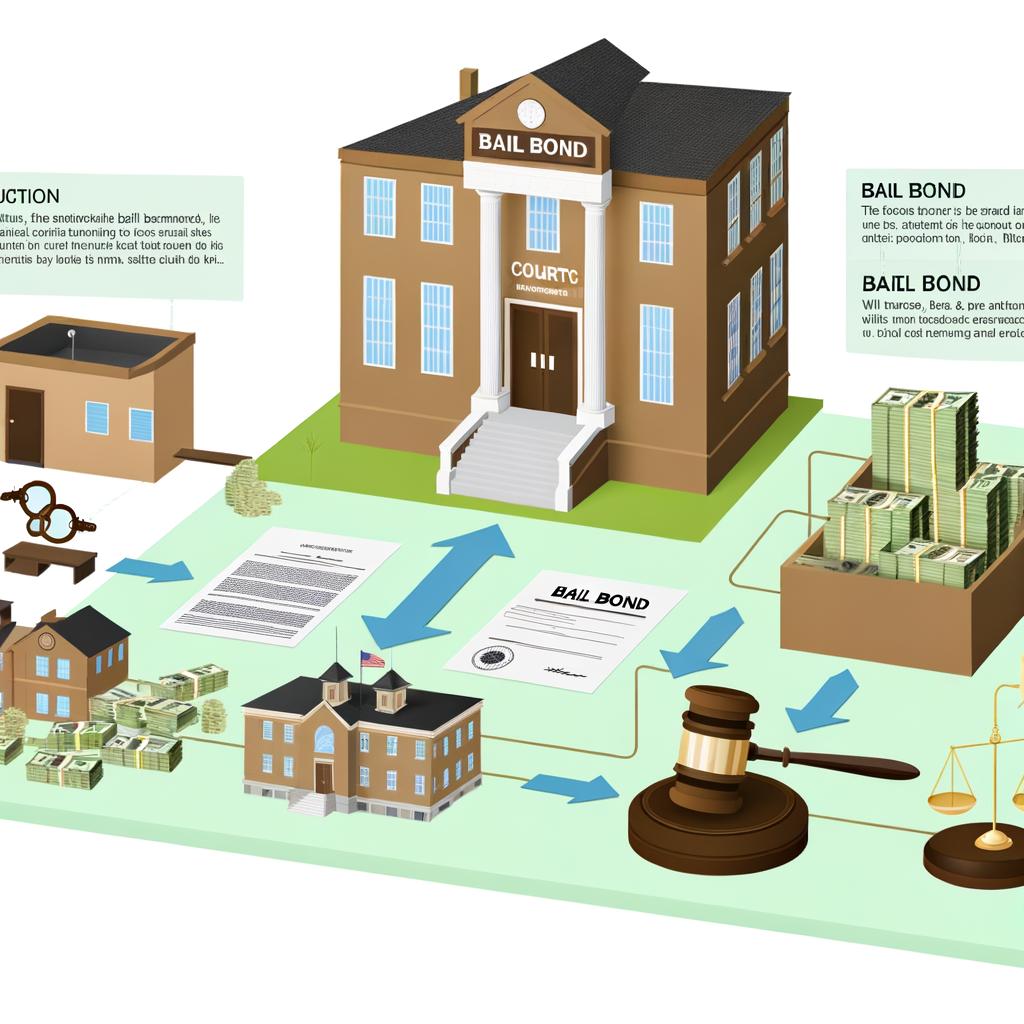
- A cooling‑off or no‑contact duration before release decisions. Mandatory safety orders that cause at arraignment, in some cases at booking. Special conditions of release entailing guns, home, and alcohol use. Pretrial danger analyses that evaluate connection background, prior calls for solution, material misuse, and escalating behavior.
These attributes make a residential case more intricate than a standard theft or drug property arrest. They additionally alter just how Bail Bonds companies assess applications and collateral, since an infraction of launch problems can rapidly lead to revocation, a surrendered bond, and added charges.
The initially 24 to 48 hours
The timeline in a residential physical violence apprehension has a various rhythm than many cases. In some regions, a person detained on a Friday evening for an offense residential assault will certainly not see a court till Monday. States differ, but a 12 to 48 hour hold prior to bail is set is common. The objective is to enable moods to cool down, evidence to be gathered, and a judicial police officer to enforce problems that lower prompt risk.
If magistrate bond is offered prior to accusation, it may still feature a short-term no‑contact order. I have stood in courthouse corridors with customers that discovered they might not go back to the common home to accumulate a wallet or work laptop. You can seek for a civil standby to fetch property, but do not improvisate. A solitary text or doorstep see throughout that home window can be adequate to withdraw launch and include a new charge.
During intake, many jails flag residential associated cases for extra testing. Consumption policemans might inquire about firearms, children in the home, and material usage. That info ends up in the pretrial solutions report, which judges rely on when setting bond and problems. Expect inquiries regarding prior safety orders or contacts us to the residence, even if those events never ever caused charges.

Bond kinds and just how judges decide
The mechanics of bond setting recognize, however residential fees tilt the calculus. Judges evaluate basic factors like the seriousness of the offense, criminal background, neighborhood connections, and probability of showing up in court. In domestic situations, they likewise evaluate the danger to a specific individual and often to kids. A first‑offense offense might receive release on recognizance in an additional setting, yet call for a secured bond below because of a documented acceleration or a pending divorce.
Cash bonds are occasionally favored for their immediacy and viewed take advantage of. More often, the functional path runs through a qualified surety, because families do not have hundreds of dollars being in an account during a dilemma. Bail Bonds representatives fill the gap, yet their underwriting adjustments with domestic situations. A tidy work background and neighborhood recommendations still issue, yet agents likewise wish to see the launch strategy: where the accused will certainly live, how they will follow no‑contact, and whether a third party can assist keep track of compliance.
Do not be amazed when the court layers conditions on top of the bond. A typical set may include:
- No call with the supposed sufferer, directly or indirectly, including via close friends or social media. Do not return to the common residence. Surrender guns within an established number of hours, frequently 24 to 48. Abstain from alcohol and illegal drugs, in some cases with testing. Enroll in a batterers' treatment program or anger administration as a pretrial condition.
These are not ideas. A bail bondsman can not forgo them. Offenses can cause a bond retraction hearing, brand-new charges like infraction of a protective order, and a rapid trip back to the jail.
No get in touch with orders and their useful traps
The most usual failing factor is call. Accuseds call to apologize or coordinate youngster pickups. Friends pass messages. A cousin clicks like on an image, then asks just how the other person is doing. These tiny acts can certify as indirect get in touch with, depending on the order's language. I have seen someone shed their bond due to the fact that they identified a co‑parent in a youngster's football image. The court reviewed it as an offense, even though the intent seemed harmless.
If children are in the picture, household courts or the criminal court can carve out exceptions for supervised interaction about exchanges. That language needs to be explicit, not assumed. Use kept track of apps if the court recommends them. Maintain messages short, professional, and restricted to logistics. When in doubt, run the concern through guidance prior to you act.
Housing is the other trap. Several offenders can not pay for a hotel for weeks while they situate brand-new housing. Courts in some cases permit a one‑time civil standby with law enforcement to collect basics. Coordinate that through counsel and the regional cops division. Program up in a timely manner, bring a short list, and maintain the stay brief. If the claimed sufferer is present, do not speak. A roaming comment in the kitchen has actually tanked more than one case.
Firearms and government hooks
Firearms restrictions attack fast in domestic cases, often within 24 hours. State judges can order an abandonment, and federal law limits belongings for those based on particular safety orders and for those convicted of certifying offenses. Also a short-term order can need disposal or storage with law enforcement or a qualified FFL, depending upon your territory. A bail bondsman will ask whether guns are in the home, partly to assess danger, partially to avoid an offense after release.
If abandonment is ordered, comply with the method specifically. Get an invoice, note identification number, and validate where the weapons will certainly be kept. Do not move to a buddy unless the order and local law allow it. Ignoring an abandonment order is a quick method to land back in custody.
How Bail Bonds companies manage domestic cases
From the bonding side of the counter, domestic charges raise direct exposure. The danger is not that the customer will get away to another state, it is that they will violate a safety order or fail a medicine test. That risk can mature in days, not months. Agents react by tightening underwriting and monitoring. Anticipate concerns concerning your regimen, contact number for managers, and whether you can check in more often than the minimum.
A good representative likewise establishes expectations. If the court orders a 7 pm to 7 am curfew with GPS, the bondsman will discuss exactly how the display functions, what occurs when the battery dies, and who to call if an alert hits at midnight. In the in 2014, I have viewed representatives refuse bonds for clients who joked about contacting the supposed target anyway. It is not individual. The agent is wagering their security and permit on your capacity to adhere to rules.
Payment plans can be more stringent below as well. 10 percent of a $25,000 bond is still $2,500 in premium, nonrefundable, and some agencies call for additional security or a cosigner with steady employment. If the defendant sheds their task due to the fact that they can not return home and do not have transport, that creates new danger for every person. Planning issues. If you are the cosigner, ask the tough inquiries before you sign.
The function of pretrial services and monitoring
Pretrial services function like a very early kind of probation, without the criminal conviction. In residential instances, they manage compliance with no‑contact orders, testing, and program registration. They likewise end up being the eyes and ears for the court. A missed consultation or a late intake call can set off an offense hearing. That seems harsh, yet it can also aid. I have actually seen pretrial officers instructor customers through real estate searches, link them to counseling, and coordinate kid visitation exceptions.
Technology adds another layer. General practitioner ankle joint monitors can develop exclusion zones around a house or office. If the accused drives within a couple of hundred yards of the protected address, the pretrial office gets a sharp. The technology is not best. Towers decrease. Batteries fall short. When the tools problems, call instantly and document what you did. A calculated action within minutes can be the distinction between a caution and a warrant.
Charging levels, enhancements, and how they influence bond
Domestic situations escalate promptly on paper. A push with no visible injury may be billed as a misdemeanor simple assault. Add noticeable wounding, a tool, a youngster present, or a protection order in position, and the situation can leap to a felony. Prior sentences are one more amplifier. In some states, a 2nd or third residential sentence changes a low‑level misdemeanor right into a prison‑level infraction. Judges recognize this ladder, and they set bonds accordingly.
The charge determines greater than bucks. Felonies typically bring more stringent problems, mandatory program engagement, and much longer pretrial timelines. For bond agents, the longer timeline methods much longer direct exposure. A typical offense domestic physical violence case can wrap in 3 to 6 months. Felonies can run a year or even more. That distinction impacts premium, collateral, and whether a representative takes the case at all.
Substance usage and mental health and wellness as risk multipliers
Alcohol and residential disputes frequently travel with each other. When a police report keeps in mind heavy drinking, courts generally respond with testing and treatment conditions. That might indicate staying away altogether throughout the instance. Failing an examination is one of the most typical infractions I see. An evening out with buddies and an informal beer becomes a withdrawed bond and a bench warrant on Monday morning.
Mental wellness characteristics matter too. Anxiousness spikes after apprehension. Anxiety and panic attacks prevail in the initial week. Courts are getting better about acknowledging this and incorporating support, yet they still operate on compliance. If you require medication, get a prescription filled up promptly. If you miss out on a counseling intake because you were resting off a panic episode, call the supplier that day and reschedule, after that notify your legal representative. Proof help.
Working with the alleged sufferer's requirements and rights
Victims have legal rights that shape pretrial launch. In numerous states, they deserve to be listened to at bond hearings and to be alerted of launch. District attorneys frequently consult the claimed victim before recommending bond problems. That can be an efficient process if managed skillfully. I have actually seen situations where the alleged victim requested a no‑contact order with a carve‑out for kid logistics using a monitored application, and the court adopted it. I have actually additionally seen victims request overall no get in touch with while they pursue a civil safety order and relocation funds. Both paths exist.
From the defense side, approaching this with regard is not simply ethical, it is strategic. Juries and judges discover when defendants honor borders. Bail Bonds agents do as well. A consistent pattern of compliance makes it much easier to work out modifications later, like fetching a vehicle or changing curfew for an evening shift.
Protective orders in the background
Civil protection orders run on a parallel track. A defendant can be out on bond and additionally served with a temporary limiting order from family members court. The two systems do not constantly sync flawlessly. Your criminal defense lawyer must ask for copies of any civil orders and fold them right into the launch plan. If the civil order needs you to remain 500 feet away from the home and the criminal order claims 300 feet, adhere to the stricter rule. Confusion is not a defense.
Hearing days can clash also. A civil order hearing might land the exact same morning as a criminal pretrial. Courts in some cases coordinate, occasionally they do not. Keep a schedule, established pointers, and entail guidance very early to demand continuances with sufficient lead time.
Practical assistance for families and cosigners
When an enjoyed one calls from jail on a domestic cost, emotions turn hard. Individuals wish to help, and they rush. Reducing works better.
- Get the billing information, booking number, and any mentioned hold times prior to you call a bondsman. Ask the prison or lawyer whether a no‑contact order is already in position, after that regard it in your planning. If you plan to cosign, examine just how a violation might impact you monetarily and what collateral goes to risk. Help organize a refuge for the offender to remain that honors the court's distance requirements. Gather files that show stability, like pay stubs, job schedules, or program registration confirmations.
These steps minimize surprises for the agent and the court, which shortens the path from the prison door to a steady release.
When bond is denied or unaffordable
There are situations where judges deny bond outright. That commonly occurs with severe felonies, repeat violations, or high recorded danger. In those situations, defense attorney can request a bond hearing or a testimonial after the prosecution produces more evidence. Pretrial apprehension does not have to last the entire case. Lowered fees, more powerful safety and security plans, or validated treatment registration can move the calculus in a week or a month.
If bond is established yet unreachable, choices may https://angeloizsm525.yousher.com/the-ethics-and-responsibilities-of-bond-bondsmen exist. Some areas have monitored launch programs that act in place of a surety bond. They feature strict requirements, and missing a single check‑in can land you back captive. For family members, nonprofits occasionally assist with a portion of the costs, though availability swings with funding cycles. Watch out for anyone assuring a high price cut that skirts state regulation. In most states, Bail Bonds premiums are managed. If a deal sounds as well great to be real, it usually welcomes trouble later.
Defense method converges with pretrial behavior
What you do on bond influences greater than your flexibility everyday. Prosecutors track conformity when they review plea offers. Juries keep in mind infractions at sentencing. I can call situations where outstanding actions on bond and complete conclusion of treatment programs brought about minimized costs or postponed adjudication, specifically for first‑time offenders. The opposite is true as well. A solitary apprehension for breaching a no‑contact order can erase months of progress and box everybody into test or a harsher plea.
This is where defense counsel makes their fee. Excellent lawyers do not just suggest at hearings. They construct a prepare for the pretrial duration. That plan may consist of regular treatment with progress notes, evidence of work, unfavorable medicine displays, and recorded parenting classes. They collect these documents in a data they can hand to the district attorney or judge when it matters. Bondsmen appreciate this structure since it anticipates less violations.
Edge situations that examine the system
Every residential instance has its very own appearance, and some realities stress the system's default settings.
Dual arrests. Occasionally both celebrations are apprehended. That produces two no‑contact orders that can conflict with parenting and housing truths. Each offender has to find different counsel, and courts will certainly typically startle launch to decrease get in touch with risks.
Immigration overlays. A domestic fee can activate immigration holds or make complex bond due to the fact that ICE can place a detainer. A bondsman may hesitate when they see a detainer, since launch to ICE custody can lead to a missed out on court day. Counsel ought to collaborate closely and promote options like bond posts timed to prevent transfer gaps.
Rural logistics. In smaller sized regions, pretrial solutions might be 60 miles away and meet only throughout business hours. People with hourly work and no mass transit will battle. Judges in some cases adjust by allowing remote check‑ins. Ask, do not assume.
Technology challenges. Smart homes document audio and video clip. Buzzer video cameras and shared cloud accounts record interactions that violate no‑contact orders without any person considering it. Modification passwords, audit gadgets, and avoid of common apps. Lack of knowledge will certainly not encourage a judge when the footage plays in court.
How to talk with a bondsman in a residential case
The first call collections the tone. Be candid. Concealing a defense order or a previous arrest will come out in the agent's check anyway, and it can container the relationship. A skilled representative will ask sensible concerns: where will certainly the defendant live, who can co‑sign, what transport is available, and how will certainly the person take care of time limit and visits. If you can address crisply and use records to back it up, you reduced hours off the process.
Agents also value customers who recognize their function. A bondsman does not regulate court problems. They can not raise a no‑contact order, decrease a GPS radius, or approve a journey to obtain garments. They can discuss just how those procedures work and that to ask. Treat them as component of the conformity group, not as a fixer, and you will improve service.

The human side of compliance
None of this is very easy. A person detained in a domestic conflict might shed accessibility to their home, children, and job in a solitary weekend break. Shame and fear can push them to make spontaneous relocations that set off violations. I have enjoyed a young daddy stand outside a school fence to wave at his child, thinking it was safe. The school had a protective order on data and called the police. A little compassion turned into a revocation.
The antidote is structure. A daily schedule, regular check‑ins, and clear interaction with counsel build stability. When people treat compliance like a part‑time work, they hardly ever violate. When they wing it, they do. Families can aid by keeping borders company and by standing up to the urge to broker back‑channel get in touch with, also forever reasons.
What success looks like
Success in a domestic violence case while on bond hardly ever looks remarkable. It looks common. The accused goes to work, attends therapy, sends out a regular evidence of presence to the attorney, answers pretrial telephone calls, and steers clear of from the secured individual. If there are kids, exchanges take place in an authorities car park with electronic cameras. No texts go back and forth beyond the language the court enabled. After a few months of peaceful, the court takes notification. Deals improve. Conditions kick back. A court gives a modification to pick up valuables. The GPS monitor comes off. Those steady actions are not glamorous, however they move the situation ahead and maintain everybody safe.
Final thoughts for practitioners and families
Domestic physical violence costs demand careful handling every which way. The legislation layers problems to shield people in close connections, and those layers change just how bond works. Bail Bonds specialists, defense lawyers, and households all encounter even more variables than in a basic instance: no‑contact catches, weapon abandonments, housing changes, and the tight guidance of pretrial services. The typical thread is preparation. Know the order's terms, plan the living circumstance, welcome supervision as a protect as opposed to an insult, and keep records of every step.
If you are the one cosigning, share eyes open. Your trademark carries real liability. Select a firm that explains the process without sugarcoating it. Demand created receipts, clear cost disclosures, and a call method for after‑hours issues like general practitioner alerts.
If you are the one facing the charge, reward release as a privilege you restore every day with your choices. Adhere to the order, finish the programs, and let your attorney do the talking. The system pays very close attention in these cases. When you reveal steady compliance, you not only shield your bond, you boost your lawful end result and reduced the temperature for every person involved.
ABBA Bail Bonds 900 Avila St STE 101 Los Angeles, CA 90012 (213) 296-0901 https://abbabailbonds.com